




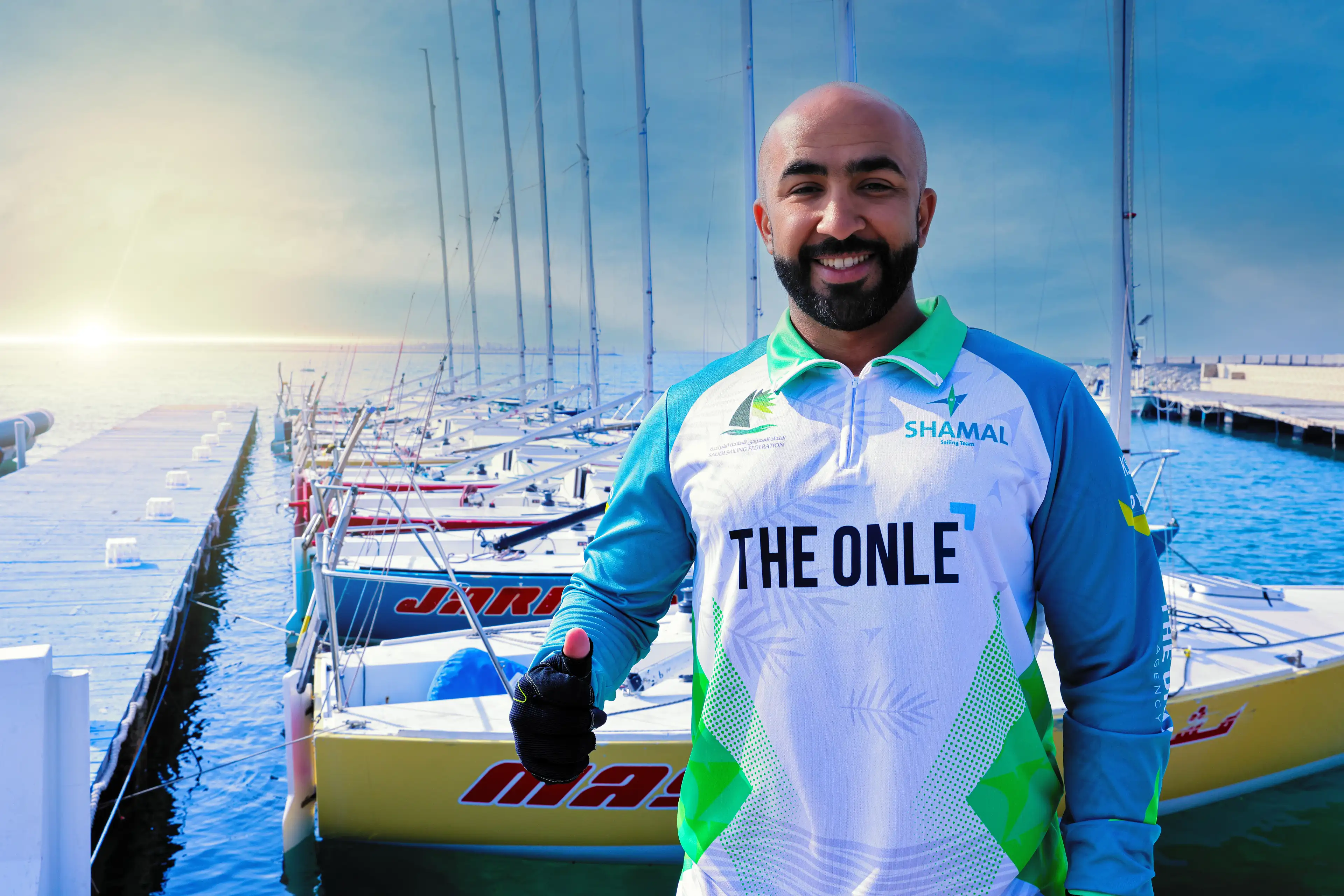
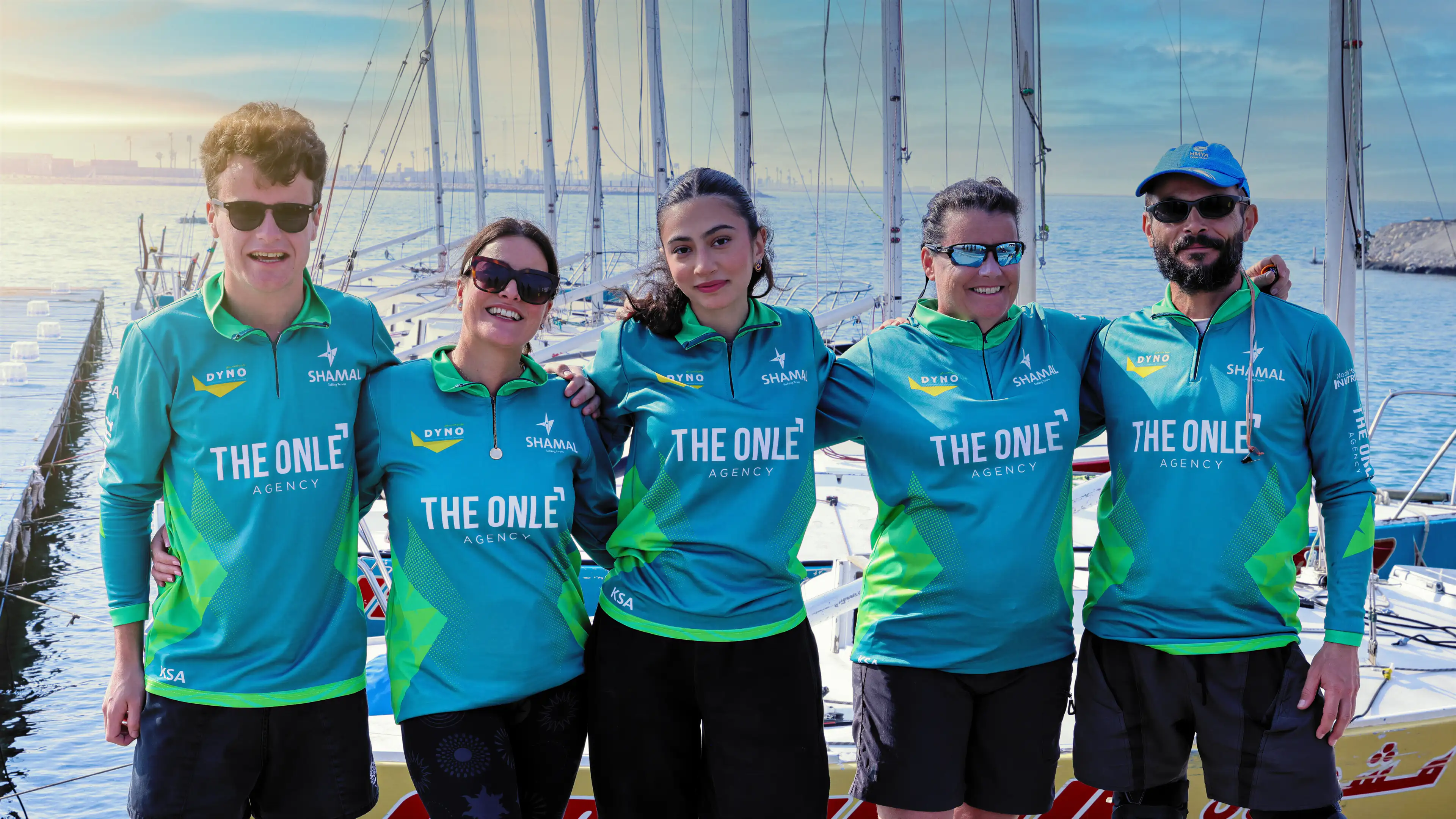
Brand identity is about building a personality people recognize, understand, and want to connect with. For Shamal International, the challenge started with a simple question: how do you build an identity that captures the feeling of being out at sea—and turns that experience into a brand people can recognize and feel?
Shamal International faced a clear challenge: there were no local experiences that truly reflected or mirrored the experience the brand wanted to create. The task was not to build another conventional nautical identity, but to translate the feeling of sailing into a distinctive brand personality. The key question became how to communicate what a sailor actually feels while out at sea, rather than simply relying on familiar visual symbols associated with sailing.
To find that direction, we looked beyond the local landscape to global experiences from Australia and the United States, drawing inspiration from how sailing culture and experiences are expressed internationally. The objective was not to replicate those references, but to understand what makes the experience feel authentic and compelling. From there, we began shaping a visual language that could give Shamal its own character while staying rooted in the emotion of being at sea.
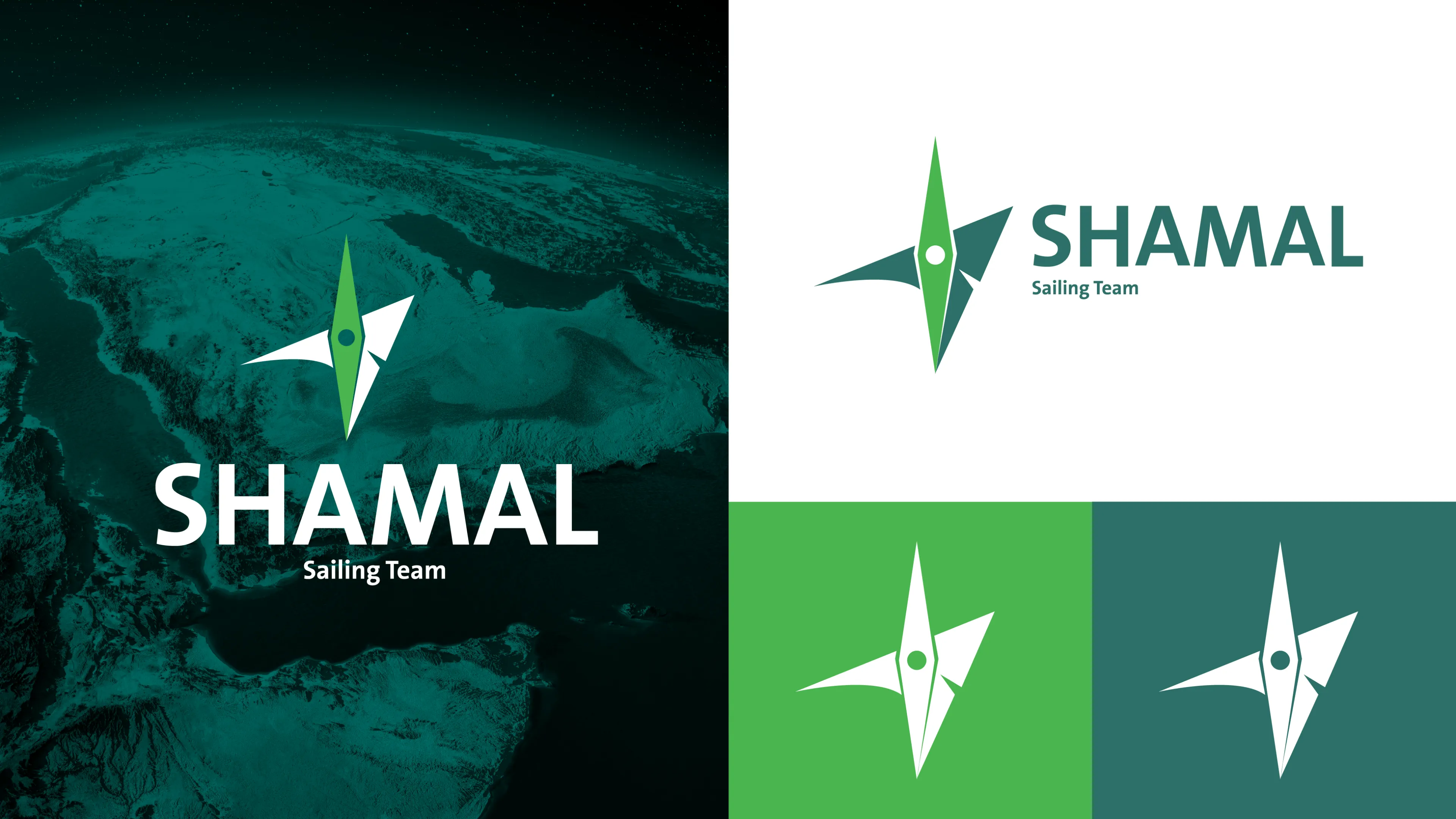
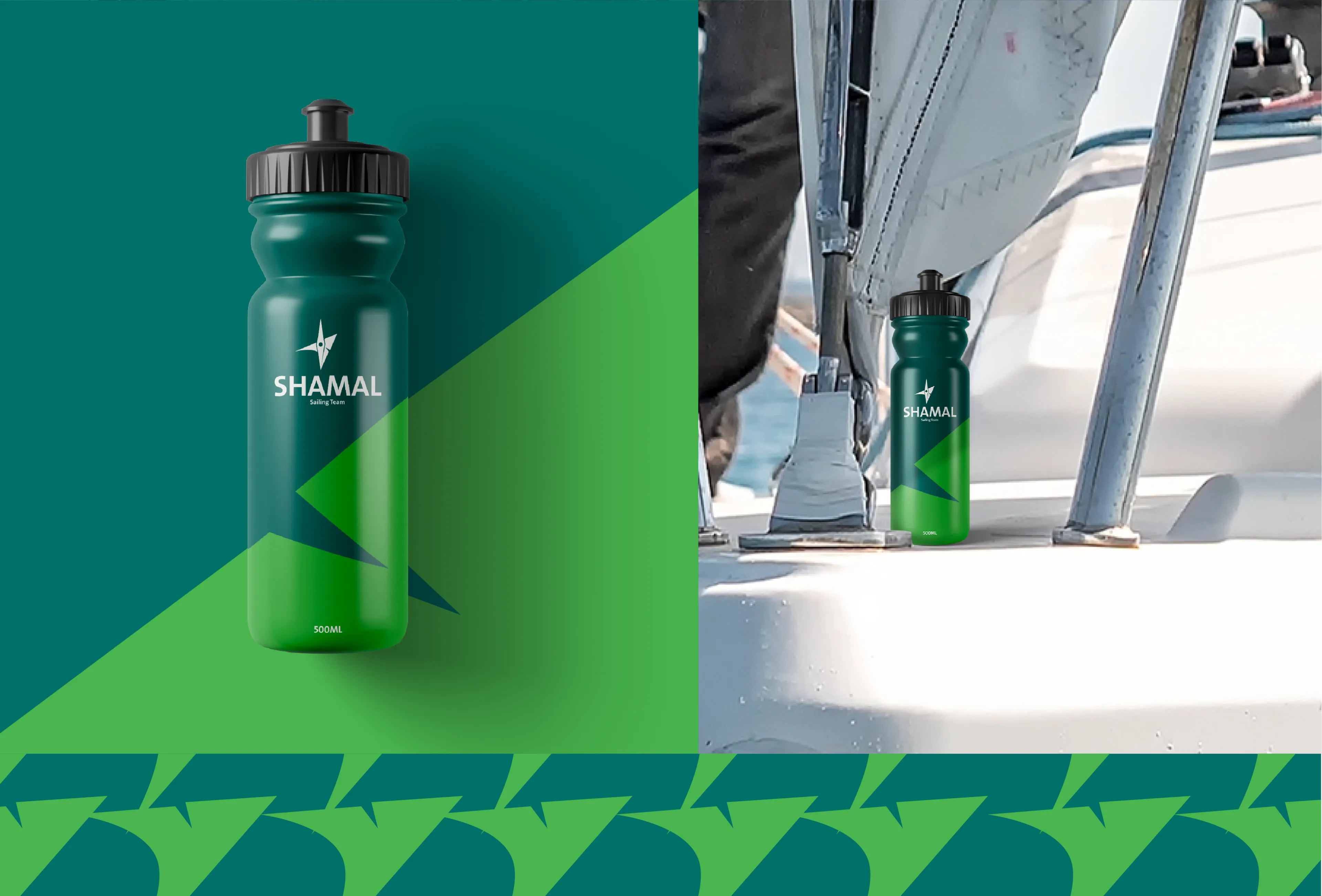
The first logo direction explored two opposing sails. However, CEO Ahmed Al-Massary rejected the concept because it did not communicate the feeling and emotion experienced by sailors while navigating the sea. That shifted the challenge from simply designing a nautical symbol to translating the experience itself into an identity. The second direction brought together three key elements associated with sailing—the compass, the North Star, and the sail of a boat—creating a symbol designed to express the spirit of Shamal with greater depth and relevance.
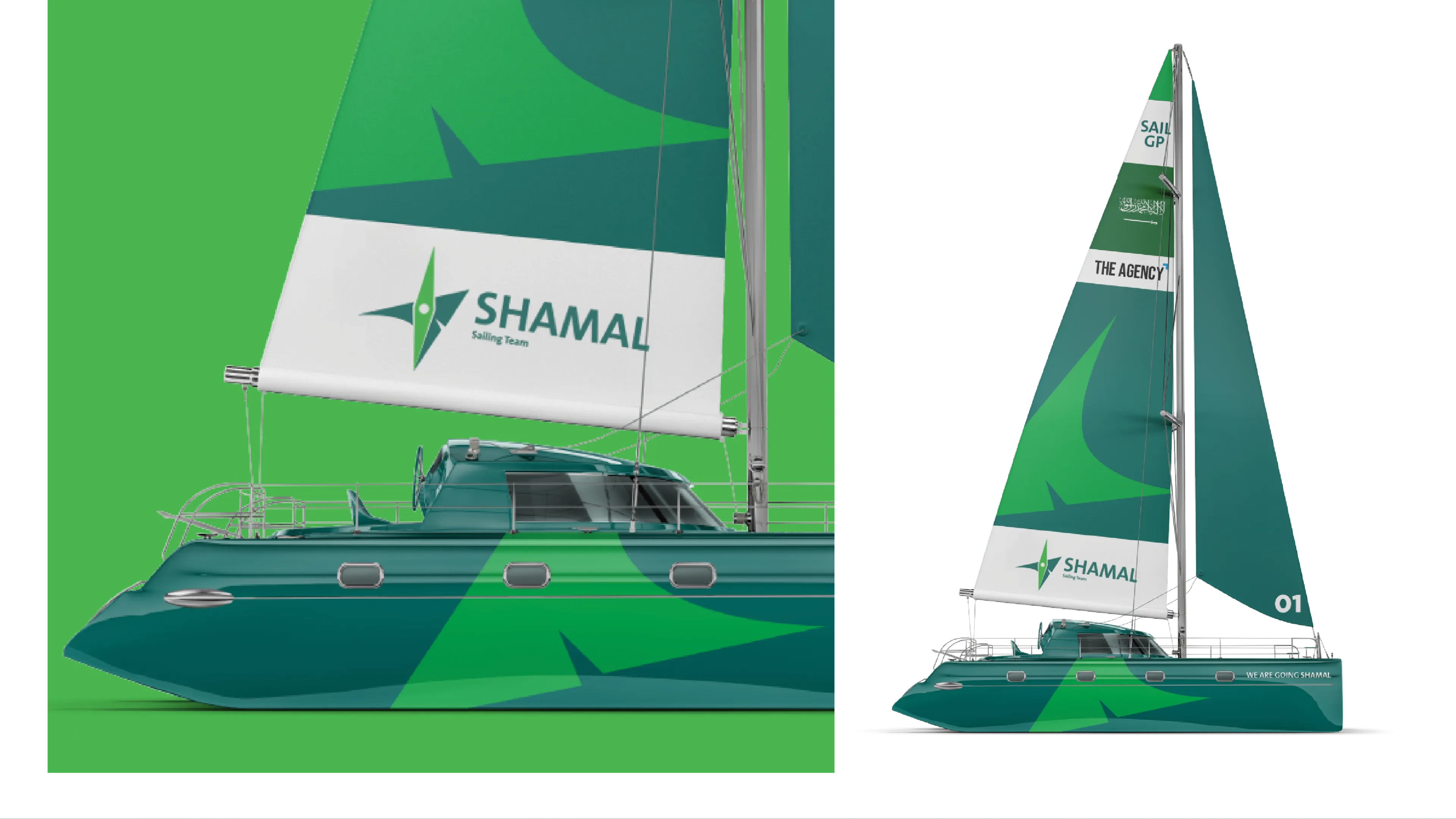
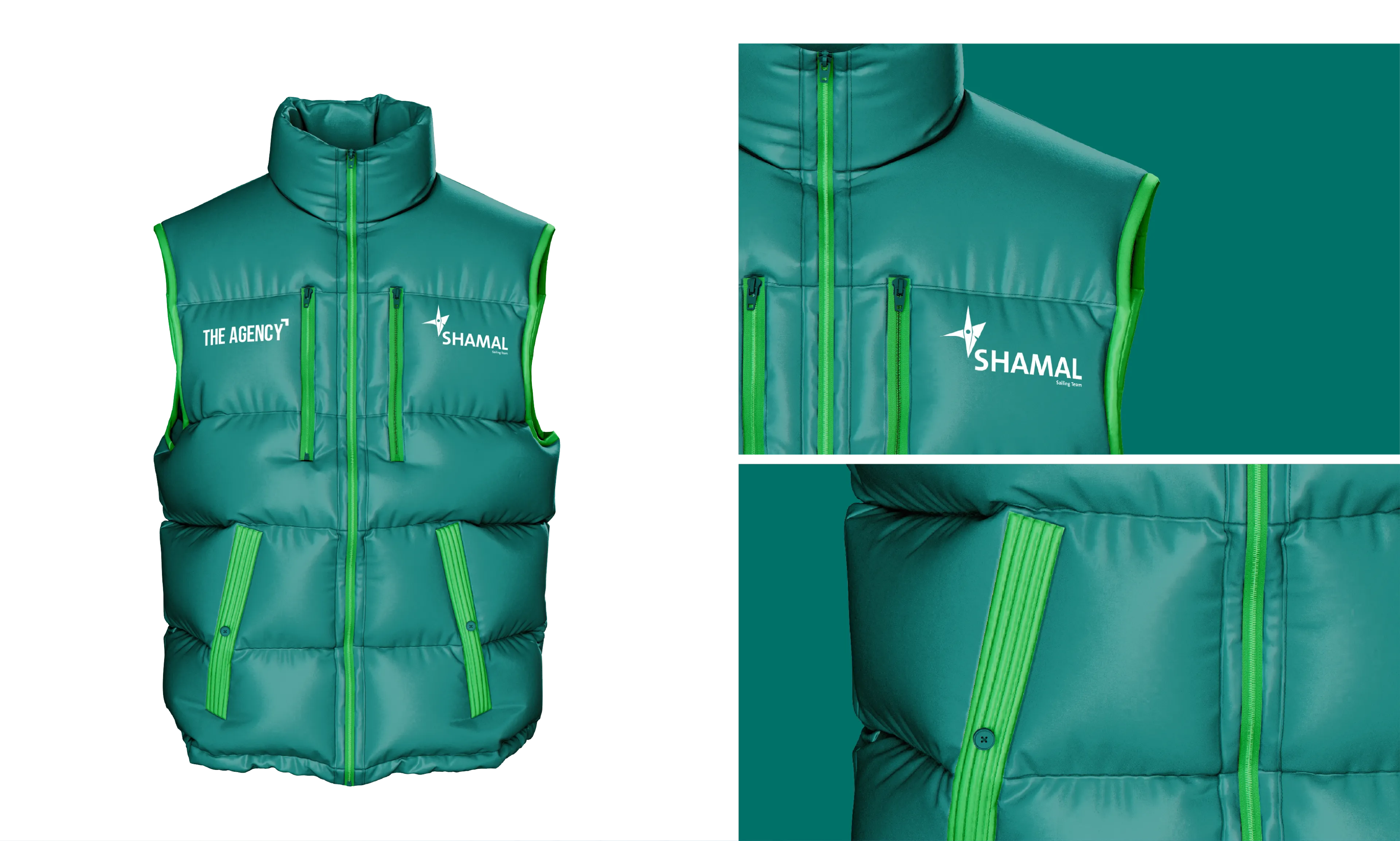
The result was more than a new visual identity. It gave Shamal a distinct personality and a clearer way to express the experience behind the brand. The identity transformed ideas of sailing and exploration into a visual language that could extend across the brand’s different touchpoints. It also gave Shamal a stronger foundation to position itself around the experience of the sea, rather than relying on conventional nautical symbols. Most importantly, the identity became a reflection of the feeling Shamal wanted people to associate with the brand: an experience to be lived, not simply a brand to be seen.